You've got plans for the back of the section, maybe new beds, a lawn or a patio. First the old stuff has to go: an overgrown hedge, a couple of stumps, a cracked concrete path and a shed nobody has opened in years. Is that a few weekends with a spade and a trailer, or a job for a digger?
It depends on what's coming out, not on the size of the section. Weeding and pruning are hand work. Stumps with big root balls, whole hedges, old concrete and sheds are where a small digger and a tipper truck pay their way, because all of it has to be loaded and carted off. There are also a few checks to make first, and every load needs somewhere to go.
The short version
- Small jobs are hand work. A digger earns its keep on stumps, whole hedges, concrete and old sheds.
- Some trees in Auckland are protected. Check with the council before cutting or digging near a big one.
- A shed, fence or carport built before 2000 may contain asbestos. You can't tell by looking, so get it tested first.
- Lodge a free beforeUdig enquiry at least two full business days before stumps come out or concrete is broken up.
- The council doesn't collect green waste, and you can't light an open fire in urban Auckland.
What does clearing a section involve?
Clearing takes a section back to bare ground, and the work falls into two groups. One is living material: hedges, flax, shrubs, small trees, stumps and kikuyu. The other is whatever has been built or dumped over the years, such as concrete paths, old decks, sheds and rubble. They often come out on the same day, but they go to different places.
Then there are the roots. A hedge cut off at ground level still has its roots in the ground, right where the new beds and turf need to go. Kikuyu is harder again. Weedbusters says it spreads mainly from fragments of its runners and underground stems, and that physical removal is largely ineffective, so plan for some regrowth after it's stripped.
Is your job too small for a digger?
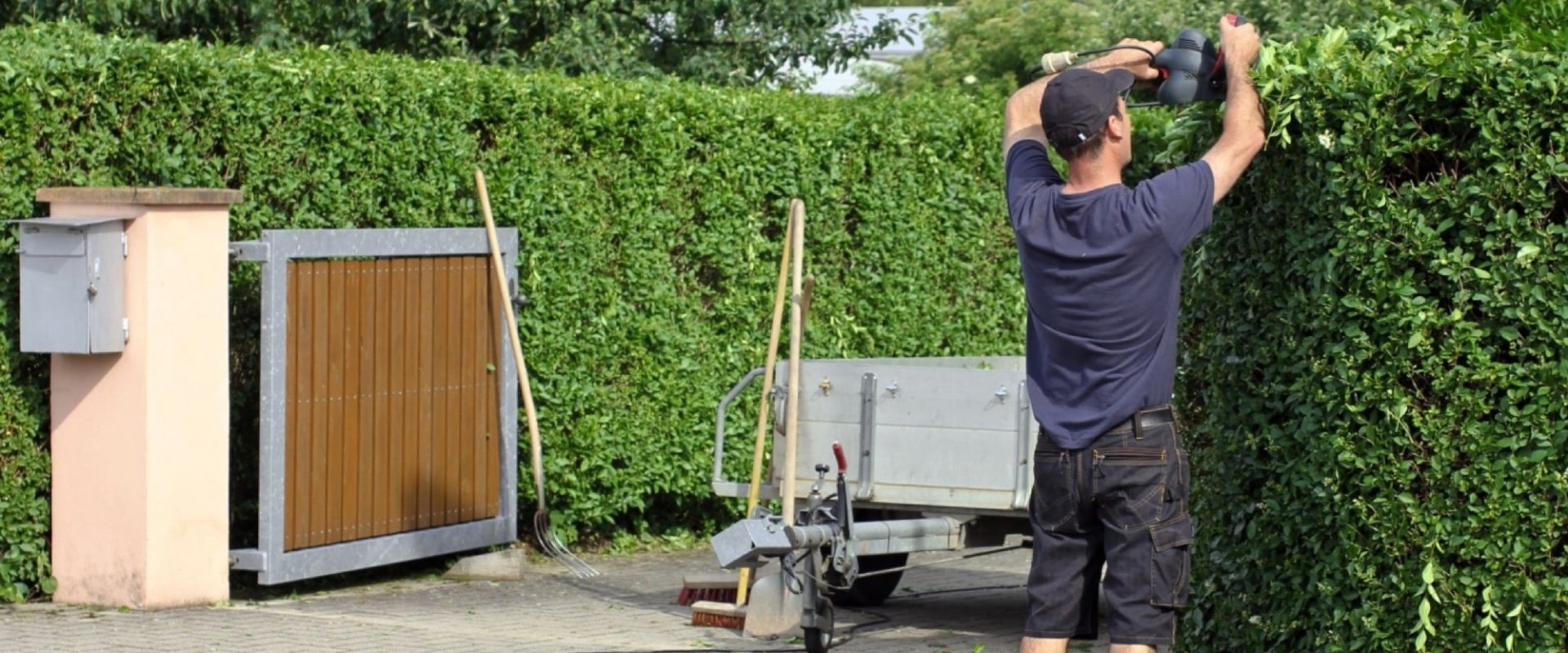
Often it is. Weeding a bed, cutting back shrubs, trimming a hedge or lifting a short run of pavers doesn't need a machine. A spade, a fork, a trailer and a few trips to a transfer station will do it, and a digger would be overkill.
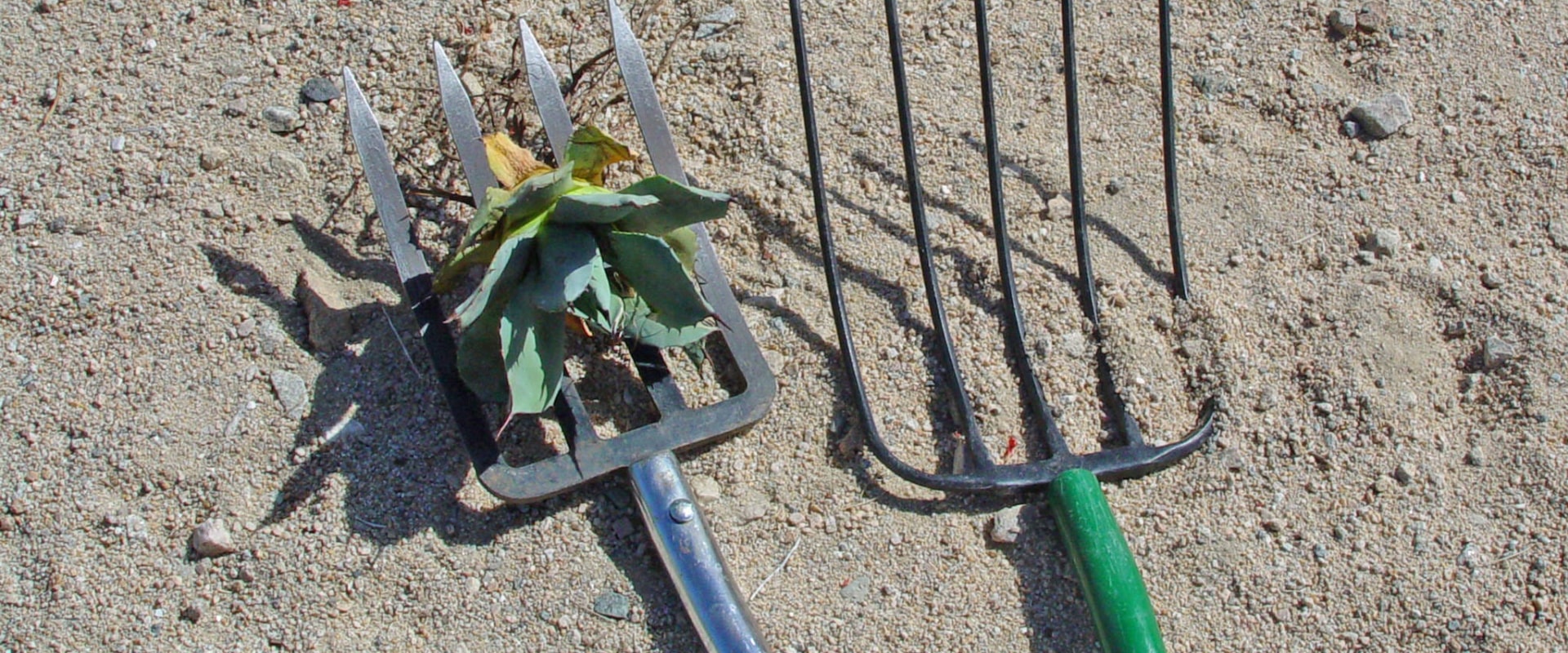
It's a different job once it gets heavy and bulky: stumps, a long hedge coming out roots and all, or an old concrete pad. That's what a small digger with a grab, and a truck alongside, is built for.
Can the trees come out?
Check before anything is cut. Auckland Council says no class or species of tree is automatically protected, except on the Hauraki Gulf islands, but some individual trees are. A tree can be protected by being listed as notable in the Unitary Plan, or by a condition on a resource consent. A covenant or consent notice on your title can protect it too, and trees in rural areas can fall under a general protection rule.
You need a resource consent to remove or prune a protected tree, and to work near it. Working near one without consent, including digging or storing material around its roots, is an offence under the Resource Management Act. If you're unsure, call the council on 09 301 0101 and ask to speak to a planner.
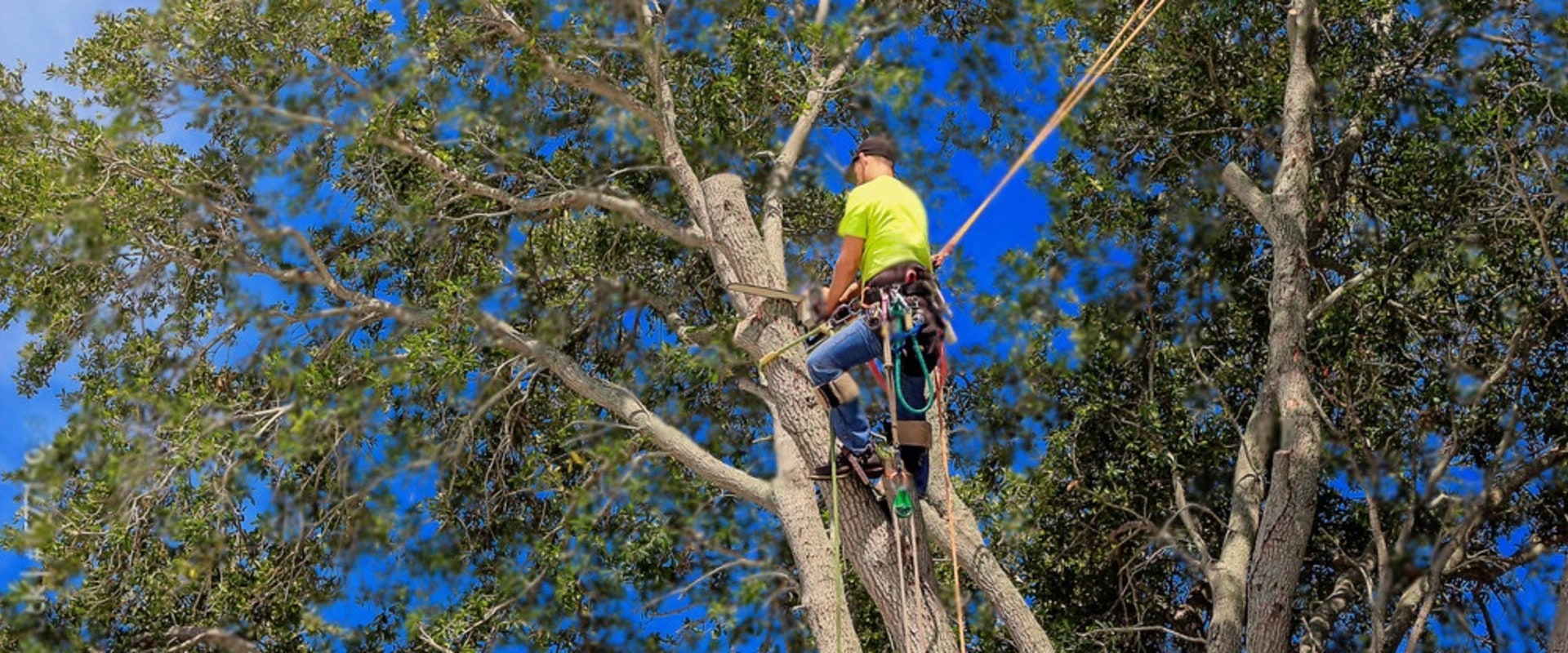
Size matters too. A small digger suits small trees, stumps and root balls. Get an arborist to bring a taller tree down first, then have the stump dug out. Our piece on how arborists look after trees covers their side of the work.
What about the old shed?
If it was built before 2000, it may contain asbestos. WorkSafe says asbestos cement was often used for fences, carports, garages and garden sheds. Cement sheet with asbestos in it can look identical to sheet without it, so the only way to know is to have a sample tested by a reputable contractor. If you're not sure, WorkSafe's advice is to treat it as asbestos.
Pulling down a detached shed doesn't need a building consent, because Schedule 1 of the Building Act exempts the complete demolition of a detached building of up to three storeys. The asbestos check still comes first. Asbestos waste must go to an authorised disposal site, and it should never be burnt or put in a council bin.
Where does it all go?
Auckland Council doesn't collect green waste, and garden waste and building materials don't belong in your rubbish bin. Burning the pile isn't an option either, because open fires aren't allowed anywhere in Auckland's urban area. Here's where the council's guides send each kind:
| What comes out | Where it goes |
|---|---|
| Hedge trimmings, branches, leaves and general weeds | A community recycling centre or transfer station, to be composted |
| Pest plants | Small amounts in your rubbish bin. Larger amounts to a transfer station or a private collection |
| Soil and clay | A cleanfill or transfer station |
| Bricks, blocks and old concrete | A community recycling centre or transfer station. Concrete and blocks can be crushed by a concrete recycler |
| Anything that might be asbestos | Get it tested first. Asbestos goes to an authorised disposal site only |
Most transfer stations take green waste, but check with yours before you go, and secure loads of weeds because they can spread from loose fragments.
What should you sort before clearing day?
Stumps and old concrete sit in ground that may hold pipes and cables, sometimes closer to the surface than you'd expect. The beforeUdig plans show that services are there, not exactly where they run, and may leave out the ones you own, like the power cable to the house. A locator service may be able to find those.
- Lodge your free beforeUdig enquiry at least two full business days before work starts.
- Check big trees with the council, and look at your title for covenants or consent notices.
- Get any pre-2000 sheet cladding on sheds, fences or carports tested for asbestos.
- Mark what stays: plants to keep, pavers or bricks to reuse, and good topsoil to stockpile for the new beds.
- Measure the narrowest point on the way in, such as a side gate, and work out where a truck can park.
- Show the operator anything that mustn't be touched, like irrigation lines, a septic tank lid or the neighbour's fence.
Who can do the digger work?
In South and East Auckland, from Beachlands to Pukekohe, Digginit Earthworks clears sections ahead of landscaping and building work. Owner-operator Mike runs a 5-tonne zero-swing digger that fits through a standard 2 m gate, with a grab for stumps, concrete and vegetation. His narrow-body tipper truck fits down driveways where a standard truck can't. He takes out old concrete, decks, small sheds, hedges and stumps, and splits green waste from spoil on site to keep disposal costs down.
Mike charges by the hour, and the rate covers the truck and the attachments as well as the digger. He gives you an estimated range of hours after a free site visit. Most clearings are done within a day. If something unexpected turns up, like services where they shouldn't be, he calls you before doing any extra work.
Where this leaves you
Sort the job into hand work and machine work. Do the checks before anything comes out, and know where each kind of waste is going. Then the digger only does the heavy part, and you're left with a bare section ready for the landscaping to start.


